


Signs Your Refrigerator Door Seal Needs Replacing (and How to Do It)
Your refrigerator’s door seal (also called a gasket) is one of the most important parts of your appliance. It keeps cold air inside and prevents warm air from leaking in, ensuring your fridge runs efficiently. A worn or damaged seal can cause higher energy bills, spoiled food, and unnecessary strain on the compressor.
Here’s how to spot when it’s time for a replacement and how to do it yourself.
Signs Your Refrigerator Door Seal Is Failing
- Visible Cracks or Tears: Check along the edges of the seal for splits, warping, or missing pieces.
- Loose Seal: If the gasket doesn’t stay firmly in place or gaps are visible, it won’t hold in cold air.
- Moisture or Mold: Condensation or mold growth around the door edge indicates air is escaping.
- Door Doesn’t Close Properly: If you need to push hard to shut the door, the seal may be misaligned or worn out.
- Energy Bill Increases: A failing seal makes your fridge run longer, using more electricity.
How to Replace a Refrigerator Door Seal
- Order the Right Part: Use your refrigerator’s model number to find the exact replacement gasket for your unit.
- Soften the New Seal: Place the gasket in warm water for a few minutes or use a hair dryer to make it flexible.
- Remove the Old Seal: Peel the old gasket away from the door, loosening any retaining screws if necessary.
- Install the New Seal: Press the new gasket into place, making sure it fits evenly around all edges. Tighten screws if applicable.
- Check the Seal: Close the door and test for gaps. A dollar bill or piece of paper should hold tightly when the door is closed.
Pro Tip:
Keep your new gasket clean and free of spills to prolong its lifespan. A quick wipe with warm, soapy water every month helps maintain a tight seal.
Recommended Category:
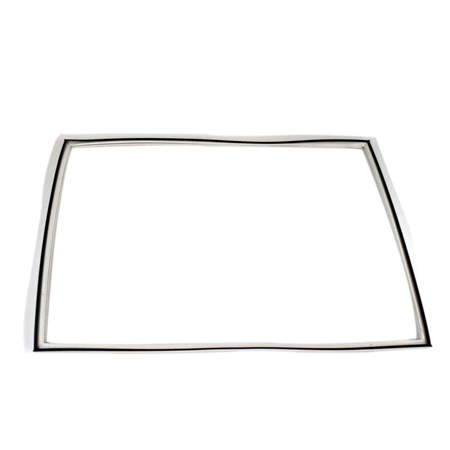
Shop Refrigerator Gaskets & Seals
Find genuine OEM refrigerator gaskets and seals to restore a proper airtight closure and improve energy efficiency.
Login and Registration Form