


Why Your Oven Won’t Heat Properly & the Parts That Can Fix It
Few things are more frustrating than turning on your oven, waiting for it to preheat, and realizing it never reaches the right temperature—or doesn’t heat at all. If this happens, don’t panic. Many heating issues can be traced back to simple part failures or easy-to-fix problems.
Before you start troubleshooting, it’s important to:
- Refer to your owner’s manual for model-specific guidance.
- Contact a professional for any electrical issues or gas-related problems.
- If you smell gas, turn off your oven immediately and contact a technician—it could be a separate safety issue.

Step-by-Step Troubleshooting for an Oven That Won’t Heat
1. Inspect the Circuit Breaker
A tripped breaker is one of the simplest and most overlooked reasons an oven won’t heat. Check your home’s breaker panel for any switches stuck in the middle between “On” and “Off.” If you find one, flip it back to “On” and test your oven again.
2. Check the Outlet
If your oven is plugged in but still not heating, the outlet may be faulty. Signs of outlet failure include discoloration, burn marks, or warped plastic. If you suspect an outlet problem, stop troubleshooting and contact a licensed electrician.
3. Inspect the Heating Element (Electric Ovens Only)
For electric ovens, the heating element—or bake element—is responsible for producing heat. If it doesn’t glow red during operation, it may be burned out and need replacing. This is a common and affordable fix that can restore normal heating.
4. Check the Oven Door Seal
Your oven needs to trap heat to maintain consistent temperatures. If the door gasket is worn, loose, or missing sections, heat will escape and your food may bake unevenly. Inspect the seal and replace it if it’s damaged.
5. Locate and Inspect the Temperature Sensor
The temperature sensor monitors the oven’s internal heat and signals when to cycle the elements on and off. If it’s out of position, bent, or obstructed by a heating element, your oven may not heat correctly. The sensor should be mounted at a 90° angle for accurate readings.
6. Examine the Igniter (Gas Ovens Only)
For gas ovens, the igniter lights the gas to produce heat. A weak or dirty igniter may prevent your oven from heating. Follow your appliance care guide to clean it, or replace it if it’s faulty. If you’re not comfortable handling gas components, contact a certified technician.
When to Replace a Part
If any of these components are worn, damaged, or not functioning, replacing them is often much cheaper than buying a new oven. Common replacement parts for heating issues include:
- Bake element (electric)
- Broil element (electric)
- Igniter (gas)
- Oven door gasket
- Temperature sensor
DIY vs. Professional Repair
Simple replacements like door gaskets, bake elements, or sensors can often be handled by confident DIYers. For anything involving electrical wiring or gas lines, hiring a professional is the safest choice.
Recommended Category:
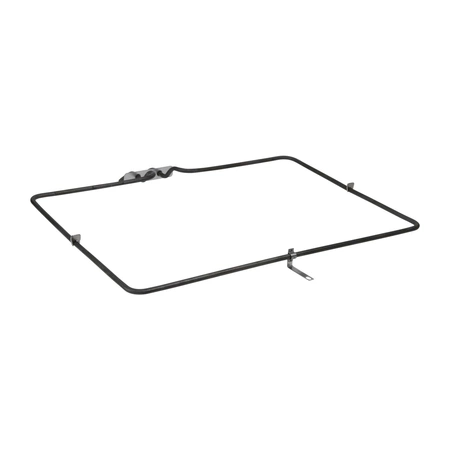
Find genuine OEM oven parts including bake elements, igniters, door gaskets, and temperature sensors. Get the affordable fix you need to restore your oven’s performance.
Login and Registration Form